What Are Rotating Residential Proxies? A Complete Guide
Discover how rotating residential proxies enable anonymous, reliable web scraping, price monitoring, and multi-account management while avoiding IP blocks.



What Are Rotating Residential Proxies?
Rotating residential proxies are a type of proxy server that assigns users a different IP address from real residential networks for each request or at set intervals. Unlike data center proxies, which use IPs from centralized servers, residential proxies simulate real user behavior, providing higher anonymity and reducing the risk of being blocked by websites.
Businesses, developers, and marketers use rotating residential proxies for tasks like web scraping, SEO research, ad verification, and social media account management.
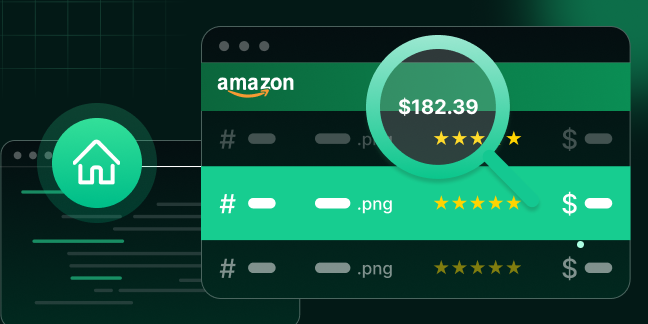
Example: A global e-commerce platform wants to monitor competitor pricing in multiple countries. Using rotating residential proxies allows them to access local versions of competitor websites without being blocked.
How Do Rotating Residential Proxies Work?
Rotating residential proxies operate by continuously changing the IP addresses used to send web requests. There are two main rotation methods:
Time-based rotation: IP addresses change at fixed intervals (e.g., every 30 seconds).
Request-based rotation: A new IP address is assigned for each individual request.
Technical infrastructure typically includes:
Large residential IP pools sourced from actual home networks.
Intelligent IP allocation to manage load and ensure consistent performance.
APIs and automation for seamless integration with scraping tools, marketing software, or testing frameworks.
Request-based rotation is ideal for high-volume data collection, while time-based rotation suits consistent browsing or automation tasks.
Advantages of Using Rotating Residential Proxies
Rotating residential proxies offer several benefits that make them essential for modern web operations:
High anonymity and privacy: Residential IPs are recognized as real users by websites, making it difficult to detect proxy use.
Reduced blocking risk: Frequent IP rotation prevents website bans, ensuring uninterrupted operations.
Global geographic coverage: Residential IPs are distributed worldwide, enabling access to region-restricted content.
Flexibility for automation: Supports large-scale scraping, testing, and marketing tasks efficiently.
Proven effectiveness in real-world scenarios: Companies using rotating residential proxies report higher data collection success rates and more reliable access.
According to a recent proxy performance study, rotating residential proxies have a 70–90% lower block rate compared to static data center proxies during high-volume scraping tasks.
Common Use Cases for Rotating Residential Proxies
Rotating residential proxies are widely used in business and technical applications:
Web scraping and data collection: Avoid IP bans while collecting data from e-commerce sites or public databases.
Price monitoring and competitor analysis: Track pricing trends and stock levels globally.
Ad verification and market research: Verify ad placement and analyze campaign effectiveness across regions.
Social media management: Operate multiple accounts or monitor content without restrictions.
SEO and SERP monitoring: Access search engines from different locations to track keyword rankings.
Application testing: Simulate user activity across various geographies for functional and performance testing.
Rotating Residential Proxies vs Data Center Proxies
Feature | Rotating Residential Proxies | Data Center Proxies |
IP Source | Real residential networks | Data center servers |
Anonymity | High | Medium |
Block Risk | Low | High |
Speed | Stable | Fast but can be blocked |
Cost | Higher | Lower |
Best For | Global data collection, ad verification, regional testing | Low-cost scraping, simple automation |
While data center proxies are cheaper and faster, rotating residential proxies provide a more authentic browsing footprint and are less likely to trigger anti-bot systems.
How to Choose the Best Residential Proxy Provider
When selecting a provider, consider:
IP Pool Size and Diversity: More IPs and wider geographic distribution improve flexibility.
Pricing and Plans: Choose a plan that fits your usage without overspending.
API and Automation Features: Ensure seamless integration with your tools.
Security and Compliance: Verify that IPs are legally sourced and privacy policies are clear.
Reputation and User Reviews: Learn from other businesses’ experiences.
Trial Options: Test performance before committing to a subscription.
Some providers offer regional targeting features, allowing you to choose IPs from specific cities or countries, which is invaluable for localized marketing and SEO campaigns.
Are Residential Proxies Legal?
Residential proxies are generally legal when used responsibly:
Permitted Uses: Data scraping of public information, network testing, or legitimate automation.
Illegal Uses: Bypassing paywalls, unauthorized access to private accounts, or cyberattacks.
Best Practices: Respect website terms, protect user privacy, and ensure IPs are legally obtained.
Legal risks arise from misuse, not from using residential proxies themselves.
Conclusion
Rotating residential proxies are a powerful tool for achieving anonymous, global, and uninterrupted web access. They are essential for businesses involved in data scraping, competitor research, ad verification, SEO, and social media management.
By choosing a reputable provider, using proxies responsibly, and aligning with legal and ethical standards, companies can maximize the benefits of this technology. As digital operations continue to grow and data becomes more critical, rotating residential proxies will remain a cornerstone of modern web intelligence strategies.
Frequently asked questions
What is a rotating residential proxy?
It’s a proxy that changes its IP address automatically for each request or session, using real ISP-assigned residential IPs. This helps avoid detection and IP blocks during web scraping or account management.
How is it different from a regular residential proxy?
A regular residential proxy may use the same IP for a session. A rotating residential proxy automatically switches IPs, making it harder for websites to detect automated traffic.
When should I use rotating residential proxies?
Use them for web scraping, managing multiple social media or e-commerce accounts, monitoring prices, or collecting data without getting blocked.
Are rotating residential proxies expensive?
They are usually more expensive than data center proxies, but they reduce IP bans and improve scraping success.
How can I get the best results with rotating residential proxies?
Rotate IPs appropriately, use realistic headers, and monitor blocked requests. Stick to proxies with a large pool of IPs for better reliability.